'/%3e%3c/svg%3e)
'/%3e%3c/svg%3e)

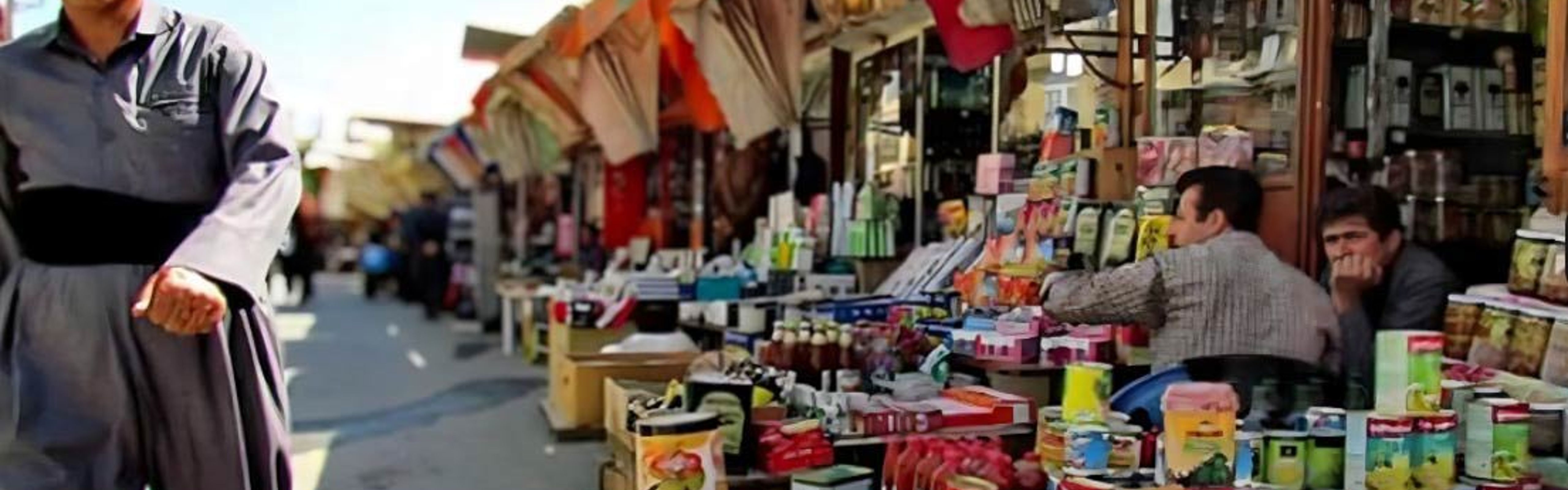
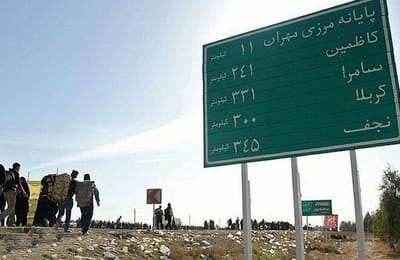
Mehran, also known as Mehran-shahr, is a remarkable city in western Iran that borders Iraq. While often recognized as a key gateway for pilgrims traveling to Iraq, Mehran is much more than a transit hub. The city blends historical depth, religious significance, and natural appeal, making it a rewarding destination for travelers seeking spiritual insight and authentic cultural experiences.
Location and Geography
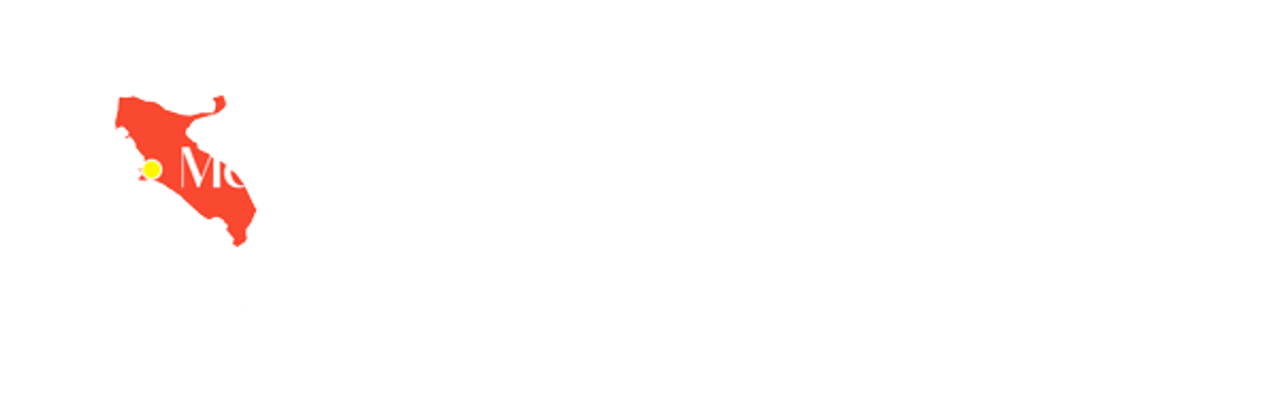
Located in Ilam Province, Mehran lies approximately 100 kilometers southwest of Ilam city. The city is made up of four main districts: Behin, Rostamabad, Farkhabad, and Behrouzan. Two rivers—the Kanjancham and the Gavi River—run through the area, enriching its agriculture and enhancing its scenic appeal. With its strategic position just kilometers from the Iraqi border, Mehran also hosts one of Iran’s most significant land border crossings.
Climate and Ideal Travel Seasons
At an elevation of 136 meters above sea level, Mehran is considered a lowland area within Ilam. Unlike the province’s mountainous regions, Mehran experiences a hot semi-arid climate. Summers are hot and humid due to nearby rivers, while autumn and winter bring cooler, more enjoyable weather. These seasons are the best times to visit for sightseeing and outdoor exploration.
Must-See Attractions
Religious and Historic Sites
Imamzadeh Seyyed Hassan
This sacred shrine is located 2 km southeast of Mehran and houses the tomb of a descendant of Imam Musa al-Kazim. Originally reconstructed during the Qajar era in 1890 CE, it suffered damages during the Iran-Iraq War and was later restored in the 1990s.
Imamzadeh Ali Saleh (Khasseh Ali)
Situated 25 km from Mehran along the road to Ilam, this site dates back to the Qajar period. Its distinctive design includes a main dome surrounded by eight smaller domes, creating a striking architectural ensemble. It remains a popular pilgrimage site.
Kanjancham Castle
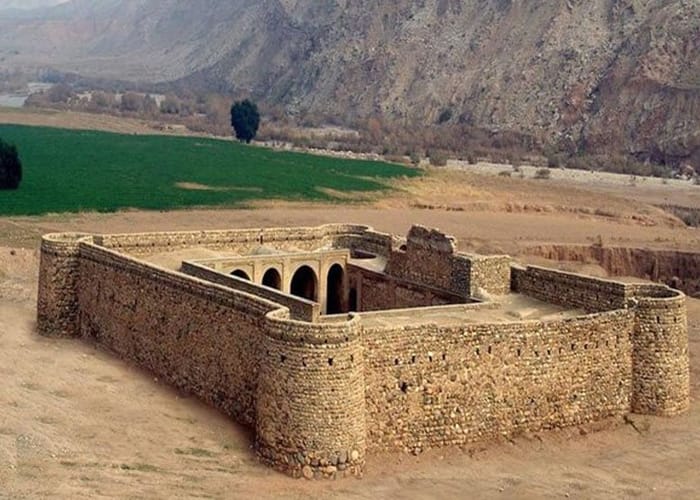
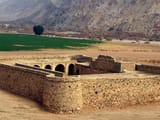
Built in 1908 CE by Gholamreza Khan Abou Qodareh, the last governor of Ilam, this winter fortress lies 15 km north of Mehran. It features connected rooms, a guard tower, a bathhouse, and an administrative court.
Kanjancham Bathhouse
A relic from the Qajar period, this structure includes three chambers, a corridor, and a traditional hot water pool. Water circulated through clay pipes, with stone and plaster as primary building materials.
Qeynar Fire Temple (Kushk Qeynar)
Perched on Mount Pashmin in Malekshahi, this Sasanian-era fire temple is surrounded by olive groves and a natural spring. It has four original entrances and is listed among Iran’s national heritage sites.
Chogha Golan Archaeological Mound
Just 2 km south of Amirabad Dam, this Neolithic mound dates back to the Pre-Pottery Neolithic period. It offers key insights into early human settlement in the region once known as Elam.
Natural Wonders
Zinegan Gorge (Zinegan Cave)
Often referred to as a cave, Zinegan is actually a narrow gorge near Salehabad village. Its cool, shaded environment makes it especially attractive in spring and early summer. Locals call it the Paradise Gorge for its refreshing climate and flowing stream.
Sorkh Kuh (Red Mountain)
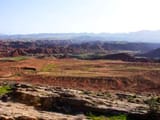
Located 32 km from Mehran, this mountain offers excellent hiking opportunities, particularly during the winter months, when the air is crisp and visibility is high.
Koulak No-Hunting Zone
Spanning 76,000 hectares, with 50,000 hectares designated as protected land, this region supports a diverse range of wildlife. It’s a prime destination for eco-tourism and nature walks.
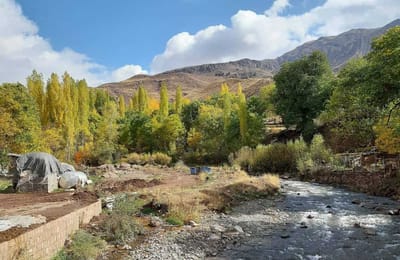
Kanjancham River
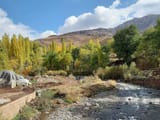
Fed by Mount Shah-Nakhjir, this river flows into the Gavi River near Mehran. It is an ideal spot for picnics and short excursions.
Local Cuisine
Traditional Dishes
-
Tareh Kouhi Stew: Made with mountain leek, this herbaceous stew resembles Ghormeh Sabzi and is widely enjoyed across Ilam.
-
Kufteh Sirabi: A hearty dish using fresh tripe and aromatic herbs, it is especially popular in western Iranian kitchens.
Local Sweets
-
Beresaq – A deep-fried treat often served with tea.
-
Koleh Konji – A traditional wheat-based dessert.
-
Bagel Halva, Lekinah, and Papak Bread – Regional specialties with distinctive textures and flavors.
These dishes offer a delicious introduction to Mehran’s culinary heritage.
Handicrafts and Cultural Souvenirs
Signature Artisanal Works
-
Relief-Woven Kilims: Known for dense textures and geometric designs, these rugs are easy to transport and admired for their aesthetic precision.
-
Jajim Weaving: Created from wool with bold, colorful stripes, Jajim is typically used to cover bedding.
-
Mat Weaving (Hasir-Bafi): A traditional craft using palm reeds and basic tools to create functional and decorative items.
Other locally crafted items include pottery, copperware, handmade jewelry, and wood inlay art.
Mehran’s Border Market
Thanks to its border location, Mehran features a vibrant border bazaar. The Mehran Customs Market houses over 110 active stalls, offering goods such as textiles, electronics, and local produce. It attracts pilgrims and shoppers looking for quality and affordability.
Accommodation Options
While lodging is limited, visitors can stay at the Khalij Fars Hotel in Imam Square. This hotel offers basic amenities and attentive service, catering to both domestic travelers and pilgrims en route to Iraq.
Conclusion
Mehran is far more than a border town—it’s a living archive of history, religion, and culture. From its sacred shrines and ancient ruins to its handcrafted artistry and natural scenery, Mehran invites you to pause, explore, and connect. Whether you're a first-time traveler, history enthusiast, or cultural explorer, Mehran offers an experience as authentic as it is enriching.

'/%3e%3c/svg%3e)
'/%3e%3c/svg%3e)
Hotels
Top rated hotels in Mehrann

'/%3e%3c/svg%3e)

