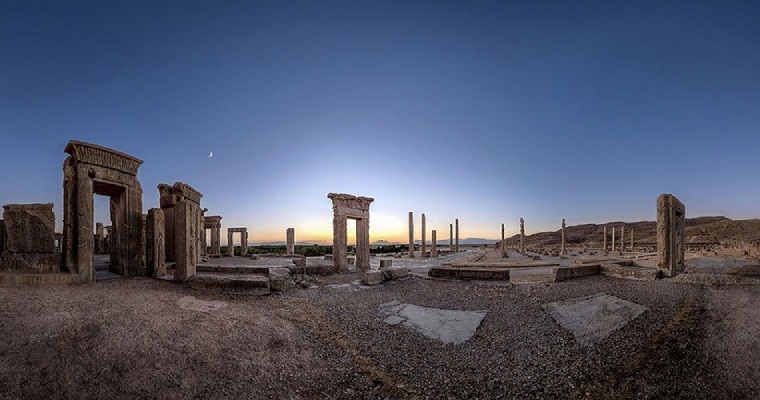
Iran offers a deep dive into one of the world’s oldest civilizations. With its poetic heritage, architectural wonders, and hospitable people, Iran gives visitors a complex, rewarding travel experience. From the vibrant bazaars of Tehran to the intricate domes of Isfahan, every corner tells a story of history, culture, and identity. The country’s contrasts—from the snow-capped Alborz Mountains to the sun-scorched Lut Desert—reflect an equally diverse cultural and historical landscape.
The most comfortable times to travel in Iran are spring (March to May) and autumn (September to early November). These seasons bring mild temperatures and blooming landscapes. Springtime in Shiraz is especially magical, with citrus blossoms in the air. Summer temperatures can be intense in desert areas like Yazd and Kerman, while winters bring snow and ski options in Dizin and Shemshak, just north of Tehran.
The capital is a blend of bustling urban life and cultural institutions. Explore the Golestan Palace, a UNESCO-listed royal complex, then stop by the National Museum for ancient artifacts. Modern neighborhoods like Tajrish and the scenic Darband hiking area offer contrast and charm. Tehran’s food scene is also evolving, with modern cafés, art galleries, and a growing underground creative movement.
Highlights:
Golestan Palace
National Jewelry Museum
Grand Bazaar
Milad Tower
Carpet Museum of Iran
Tabiat Bridge
Often called "half the world," Isfahan is home to Naqsh-e Jahan Square, one of the world’s largest public squares. The blue-tiled Shah Mosque and ornate Ali Qapu Palace leave lasting impressions. Don’t miss the Si-o-se-pol bridge, beautifully lit at night. Isfahan’s workshops still produce traditional handicrafts such as khatamkari (marquetry) and minakari (enamel work).
Must-See Attractions:
Naqsh-e Jahan Square
Shah Mosque
Chehel Sotoun
Armenian Vank Cathedral
Si-o-se-pol and Khaju Bridge
Qeysarieh Bazaar
Shiraz exudes romance through its rose gardens and poetic past. Visit the tombs of Hafez and Saadi, then stroll through the Eram Garden. Nearby lies Persepolis, the ceremonial capital of the Achaemenid Empire, a highlight of any Iran itinerary. Shiraz is also known for its relaxed vibe and friendly locals, making it a favorite among domestic tourists.
Don't Miss:
Tomb of Hafez
Nasir al-Mulk Mosque (Pink Mosque)
Persepolis
Vakil Bazaar
Qavam House
Shah Cheragh Shrine
Yazd’s ancient alleys, wind towers, and mudbrick architecture create a unique atmosphere. Learn about Zoroastrian traditions at the Fire Temple and climb the Towers of Silence for sunset views. The city’s UNESCO-listed old town is a living example of sustainable desert architecture.
Top Highlights:
Yazd Old Town (UNESCO)
Jameh Mosque of Yazd
Zoroastrian Fire Temple
Amir Chakhmaq Complex
Dowlat Abad Garden
Water Museum
Dress conservatively: Women must wear headscarves and cover arms and legs; men should avoid shorts.
Greet locals respectfully; handshakes are common between same genders.
Taarof (ritual politeness) is widespread—understand that "no" might mean "yes."
Learn a few Persian (Farsi) phrases to connect with locals—it’s often appreciated.
Public displays of affection are discouraged. Respect religious customs and avoid political topics.
Iranian cuisine balances flavors with aromatic herbs, saffron, and slow-cooked stews. Every region has its specialties, from Mirza Ghasemi in the north to Khoresht-e Khalal in Kermanshah.
What to Try:
Chelo Kebab: Grilled meat with rice and butter
Fesenjan: Walnut and pomegranate stew
Gormeh Sabzi: Herb stew with beans and meat
Ash Reshteh: Hearty noodle soup
Tahdig: Crispy rice crust, often the most sought-after part of the meal
Zereshk Polo: Rice with barberries and saffron
Note: Alcohol is prohibited. Enjoy fresh juices, doogh (a salty yogurt drink), and endless cups of black tea.
By Plane: Domestic flights connect major cities affordably and frequently.
By Train/Bus: Comfortable and punctual, especially on popular routes.
Taxi Apps: Snapp and Tap30 work like Uber and are widely used in cities.
On Foot: Ideal for historical quarters, though sidewalks may be uneven.
Car Rentals: Available with or without a driver, especially for customized travel plans.
Many nationalities can obtain an e-visa in advance or visa on arrival. Always check the latest requirements. Ensure hotel bookings and travel insurance are confirmed before arrival. The process is generally smooth but prepare documentation in advance.
Tip: Register your stay at local police stations through your hotel (required by law). Keep copies of all travel documents with you.
Iran is very safe for tourists; hospitality is a cultural norm.
Avoid political discussions.
Internet is filtered. Use a VPN if needed.
Dress code is strictly enforced in public areas.
Avoid photographing government or military sites.
Carry cash at all times; card usage is limited for foreign visitors.
Currency: Iranian Rial (IRR) (prices often quoted in Toman, where 1 Toman = 10 Rials)
Bring euros or USD in cash; ATMs don’t accept foreign cards.
Exchange money at official exchange offices, not on the street.
Daily Budget Estimates:
Budget: $20–40 (hostels, street food)
Mid-range: $50–90 (local hotels, intercity buses)
Luxury: $100+ (boutique hotels, guides)
Persian Carpets
Miniature Paintings
Khatam Marquetry Boxes
Saffron and Dried Rose Petals
Traditional Copperware
Ghalamkar Tablecloths
Hand-painted Tiles
Iran rewards curious travelers with unmatched heritage, heartfelt hospitality, and profound cultural depth. From the domes of Isfahan to the ruins of Persepolis and the vibrant culture of Tehran, every destination offers its own flavor. Explore safely, respectfully, and with an open mind—the memories will last a lifetime.