'/%3e%3c/svg%3e)
'/%3e%3c/svg%3e)

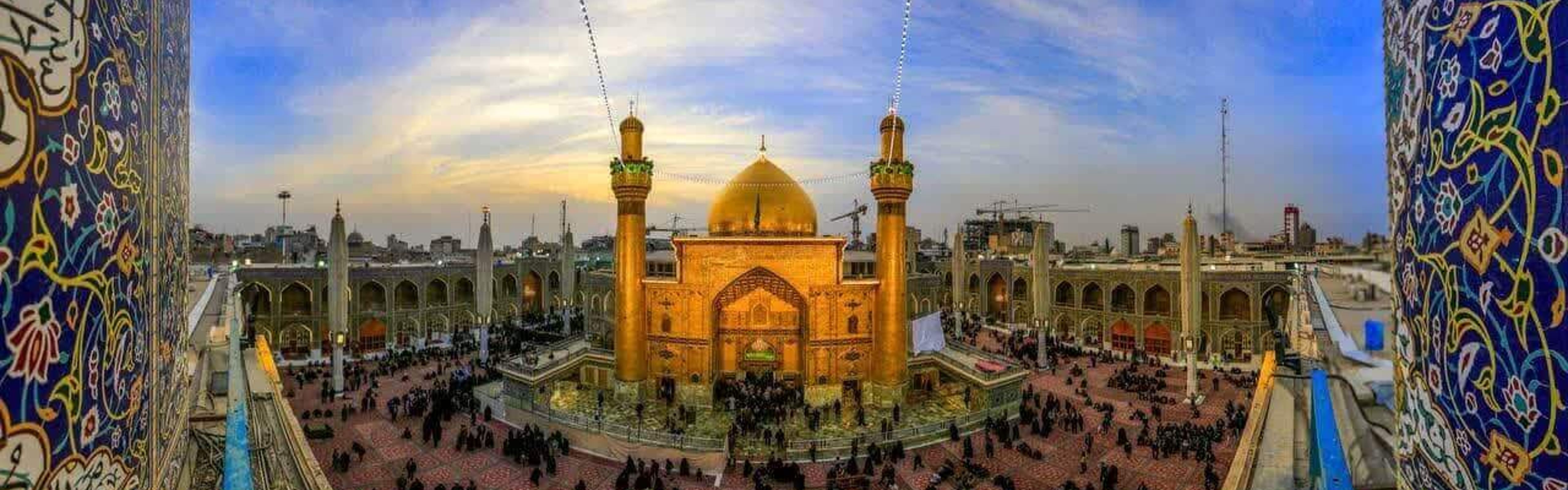
تقع النجف على بعد حوالي 160 كيلومترًا جنوب بغداد، وهي واحدة من أهم المدن في العالم الإسلامي. تُعرف بكونها مركزاً للعلم والإيمان الشيعي، وتجتذب ملايين الحجاج كل عام إلى مرقد الإمام علي، أحد أقدس المواقع في الإسلام الشيعي. بالإضافة إلى أهميتها الدينية، فإن النجف هي مدينة العلم والثقافة والتاريخ، وتقدم للمسافرين منظوراً فريداً للهوية الروحية والثقافية للعراق.
لماذا تزور النجف؟
توفر النجف للمسافرين مزيجًا عميقًا من التعبد الديني والتراث الثقافي والضيافة المحلية. إنها مكان للحج ومركز أكاديمي مزدهر، فهي موطن الحوزة العلمية، وهي واحدة من أقدم الحوزات الشيعية في العالم. تُظهر بازارات المدينة ومقاهيها وأحيائها التقليدية الحياة العراقية اليومية، بينما تؤكد مكتباتها ومدارسها على سمعة النجف كمنارة للمعرفة.
أهم المعالم السياحية
مرقد الإمام علي
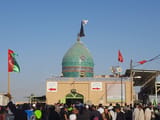
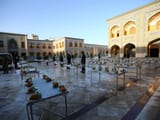
يُعد مرقد الإمام علي، ابن عم النبي محمد وصهره، ذو القبة الذهبية القلب الروحي للنجف. حيث تخلق هندسته المعمارية المزخرفة وساحاته النابضة بالحياة وتدفق الحجاج المستمر أجواءً لا مثيل لها في أي مكان آخر. يجب على الزوار من غير المسلمين مراجعة الإرشادات المحلية للدخول.
مقبرة وادي السلام
تُعرف هذه المقبرة باسم وادي السلام، وهي أكبر مقبرة في العالم. تمتد لأميال، وقد كانت موقعاً للدفن لعدة قرون، وتوفر زيارتها نظرة ثاقبة على التقاليد الدينية والتاريخية في العراق.
مدينة النجف القديمة
يمتلئ الحي التاريخي القريب من الضريح بالأزقة الضيقة والأسواق الصاخبة والمتاجر التقليدية. يمكن للزائرين تصفح الأكشاك التي تبيع المسبحة والكتب والتوابل والهدايا التذكارية بينما يستمتعون بالتراث الحي للمدينة.
بحر النجف (بحيرة النجف)
تقع خارج المدينة مباشرةً بحيرة النجف التي يُشار إليها أحياناً باسم "بحر النجف"، وتوفر مناظر خلابة وملاذاً أكثر هدوءاً بعيداً عن صخب المدينة، وهي مشهورة بين السكان المحليين للاسترخاء.
الحوزة
الحوزة الدينية في النجف هي واحدة من أكثر المراكز العلمية الشيعية تأثيراً في العالم. ورغم أن الحوزة ليست مفتوحة للزوار، إلا أن وجودها يشكل الحياة الفكرية والروحية في المدينة.
الثقافة والحياة اليومية
ترتبط النجف ارتباطًا وثيقًا بدورها كمركز ديني وثقافي. يهيمن الحج على الكثير من إيقاعها، حيث يملأ الزوار من جميع أنحاء العالم شوارعها. الضيافة هي جزء مهم من الحياة المحلية - سيجد المسافرون ترحيباً كبيراً من الناس الذين يتوقون إلى مشاركة القصص.
تعكس المأكولات في النجف التقاليد العراقية، مع أطباق مثل القيمة (يخنة اللحم الغنية التي غالباً ما تُقدم خلال عاشوراء) والأرز العطري واللحوم المشوية والخبز المسطح. تُعد المقاهي المحيطة بالمزار مثالية لأخذ قسط من الراحة ومشاهدة تدفق الحجاج.
تتشكل الهوية الثقافية هنا بالإيمان، ولكن أيضًا بالتعلم. تعكس مكتبات النجف ومدارسها الدينية ومكتباتها قروناً من العلم والمعرفة، مما يجعلها مدينة لا يزال التاريخ والفكر فيها حيّاً.
نصائح عملية للسفر
- أفضل وقت للزيارة: من أكتوبر إلى مارس، عندما تكون درجات الحرارة أكثر برودة وراحة.
- العملة المحلية: الدينار العراقي (IQD). النقد ضروري، خاصة في الأسواق التقليدية.
- اللغة: اللغة العربية منتشرة على نطاق واسع. اللغة الفارسية شائعة أيضاً بين الحجاج، بينما قد تكون اللغة الإنجليزية مفهومة في بعض الفنادق والخدمات السياحية.
- التنقل: تُعدّ سيارات الأجرة والسائقون الخاصون وسائل النقل الرئيسية. المدينة صغيرة الحجم، ومن الأفضل استكشاف العديد من المناطق القريبة من الضريح سيراً على الأقدام.
- قواعد اللباس: يُنصح بشدة بارتداء الملابس المحتشمة، خاصةً بالقرب من المزارات الدينية. وغالباً ما يُتوقع من النساء ارتداء العباءات عند دخول الأضرحة.
- السلامة: تُعتبر النجف بشكل عام واحدة من أكثر المدن أماناً في العراق نظراً لأهميتها الدينية، ولكن يجب على المسافرين البقاء على اطلاع دائم على إرشادات السفر.
- مواسم الحج: توقع حشوداً أكبر خلال المناسبات الدينية مثل عاشوراء والأربعين.
الرحلات اليومية والوجهات القريبة
- الكوفة: تقع الكوفة على بُعد مسافة قصيرة بالسيارة، وهي مدينة تاريخية أخرى لها مسجدها الخاص بها وترتبط بالتاريخ الإسلامي المبكر وترتبط ارتباطاً وثيقاً بالإمام علي.
- بابل: بالنسبة لأولئك المهتمين بالتاريخ القديم، يمكن الوصول إلى آثار بابل في غضون يوم واحد في رحلة ليوم واحد، مما يوفر تبايناً مذهلاً مع أجواء النجف الروحانية.
الخاتمة
النجف أكثر من مجرد مدينة - إنها تجربة روحية حية. من القباب الذهبية لمرقد الإمام علي إلى المساحة الشاسعة لمقبرة وادي السلام، تقدم للمسافرين رحلة إلى قلب العراق الديني. إلى جانب شعبها المرحب وعمقها الثقافي وأهميتها التاريخية، تُعد النجف وجهة توفر التأمل والاكتشاف في آن واحد. بالنسبة لأولئك الذين يسعون إلى فهم روح العراق، النجف هي محطة أساسية في الرحلة.

'/%3e%3c/svg%3e)

'/%3e%3c/svg%3e)

